
Dario Fo Pittore
Le macchine teatrali
Dario Fo Pittore
Synopsis
The widespread exhibition Dario Fo pittore is a pictorial and theatrical journey through the deep roots of popular culture, narrated through the ironic, passionate, and visionary gaze of Dario Fo and Franca Rame. Promoted on the occasion of the centenary of Dario Fo’s birth in 2026, the exhibition pays tribute to a Nobel Prize–winning artist who transformed both stage and painting into instruments of memory, critique, and denunciation. A choral narrative populated by peasants and saints, popes and emperors, jesters and rebellious women, weaving together images and stories that leap across centuries to speak to the present.
The project unfolds across multiple venues in Spoleto, Gubbio, and Perugia, maintaining the administrative autonomy of each site while creating a strong dialogue among them.
The section entitled The Theatrical Machines is hosted in Spoleto at the Rocca Albornoz – National Museum of the Duchy.
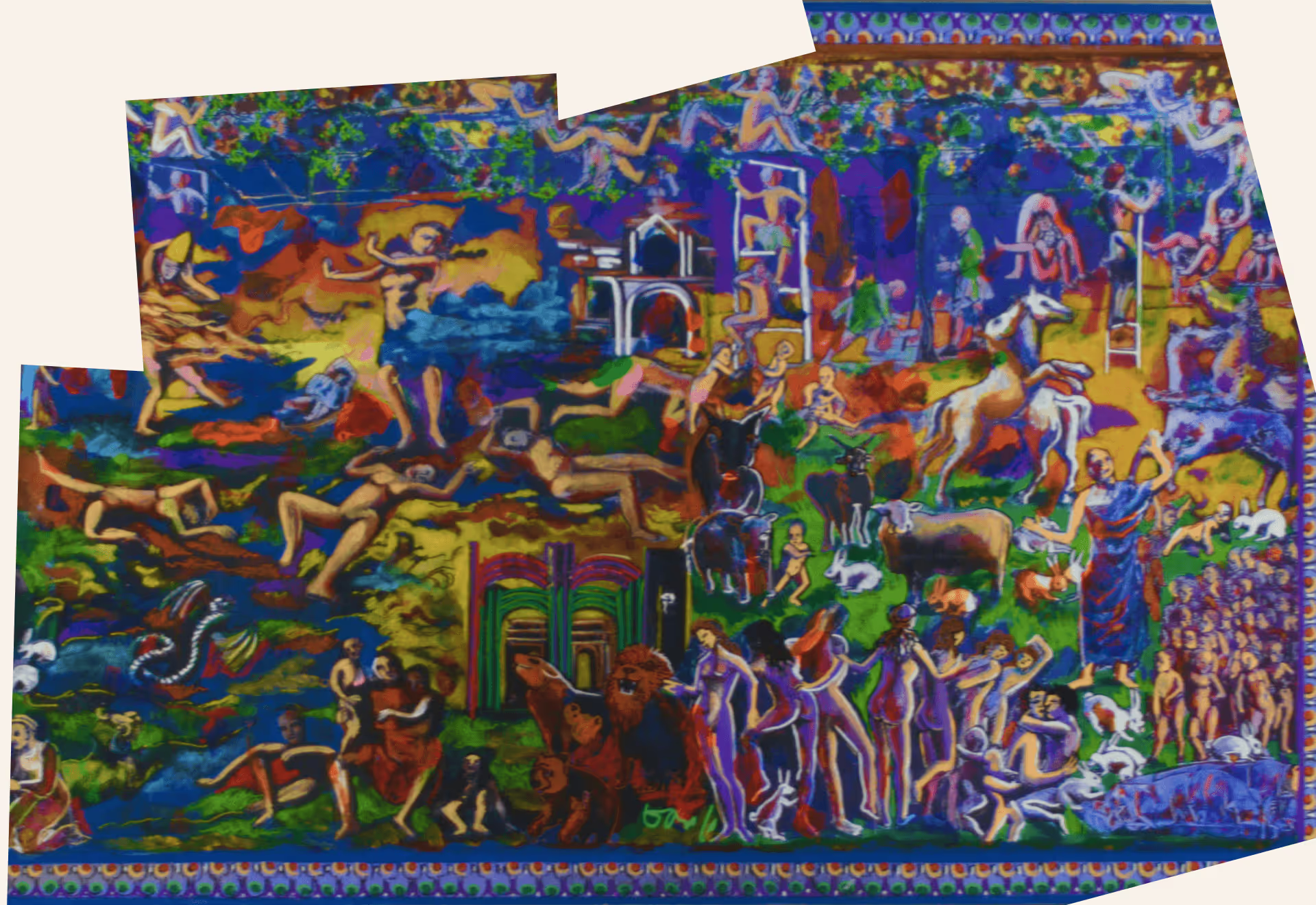
In the Hall of Honor are displayed the large backdrop of The Pope’s Daughter, the movable cut-out figures from the stage design, and a selection of sketches, canvases, and panels from the studio work and research carried out for both the staging and the novel on the story of Lucrezia Borgia. This section traces the process from drawing to stage, offering an in-depth look at Fo’s theatrical machinery.
In the North Hall, the theatrical backdrop of Lu Santo Jullare Francesco pays tribute both to the Umbrian roots of the Saint and to the show’s connection with Spoleto, where it premiered at the Festival dei Due Mondi in 1999.
Also on display are the scenic tapestries from Isabella, Three Caravels and a Con Man and the backdrop from Mamma i sanculotti!, completing a journey dedicated to the exploration of large-scale pictorial formats conceived for the stage.
Credits
Programma
in collaboration with Fondazione Fo Rame, Direzione regionale Musei nazionali Umbria, Regione Umbria
opening hours:
9.30-19.20 with last admission at 6.45 p.m.
On 27, 28, 29 June and 4, 5, 6, 7, 9 and 10 July the ticket office will close at 6.15 p.m.

.webp)